A pergola is one of the few upgrades that changes how you actually use your back yard. In Round Rock, where an unshaded slab is unusable from May through September, it is the difference between a patio you look at and a patio you sit on. Here is what goes into building one properly here, what drives the cost, and the things that catch people out.
A recent Round Rock pergola, start to finish
These two clips are from a job we did recently. The first shows the base going in and the material staged on site. The second is the same spot once the structure was up.
Before — the base going in
After — the finished pergola
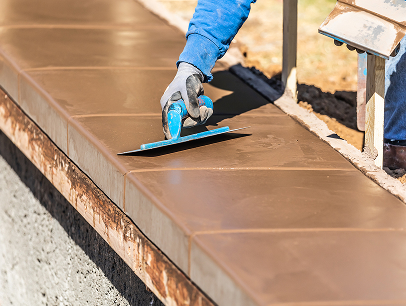
The base matters more than people expect. On this one we poured concrete pads and set gravel between the slabs rather than running one continuous slab. That gives the structure solid, level bearing points where the posts land, while the gravel joints let water move through instead of sheeting off. In clay soil that drainage is doing real work.
Attached or freestanding?
An attached pergola ties into your house, usually along a back wall over an existing patio. It uses fewer posts, costs less, and reads as an extension of the house. It also means fastening into your structure, so the ledger has to be flashed properly or you will have water getting behind your siding in a few years.
A freestanding pergola stands on its own posts anywhere in the yard. It costs more because there are more posts and more footings, but it is not touching your house and you can put it where the shade actually lands.
Cedar or treated pine?
Both work. They are different budgets and different maintenance.
- Western red cedar — naturally rot and insect resistant, handles Texas heat well, and looks better bare. Costs more up front. Left unsealed it greys out within a season.
- Pressure-treated pine — cheaper and strong, but it needs to dry before it will take stain, and it is more prone to twisting and checking as it dries in our heat. Fine if you plan to paint it.
For most Round Rock back yards we recommend cedar for the visible structure. It is the part you look at every day.
Setting posts in Round Rock clay
This is what separates a pergola that stays square from one that starts leaning in three years, and it is specific to where we live.
Central Texas clay swells when it is wet and shrinks when it dries out. That seasonal movement is the same thing that cracks driveways and stops doors latching, and it works on pergola posts too. Bearing points need to be properly poured and sized — not a post dropped in a hole and backfilled with dirt.
We also set posts on galvanised standoff bases rather than burying wood in concrete. Buried posts wick moisture and rot at the ground line, which is how most old fences and pergolas around here fail. Keeping the end grain up out of the wet adds years.
Sizing it so it actually shades something
The most common regret we hear is that the pergola is too small, or that the sun still comes straight under it at the hour people want to sit outside.
Two things to settle before we build. First, which way it faces — a west-facing patio takes brutal afternoon sun, so the rafter spacing has to be tighter or you want partial solid cover. Second, how you will use it. A table and six chairs needs meaningfully more footprint than two loungers, and it is far cheaper to add two feet at the design stage than to extend it later.
Permits and HOA approval
Two separate approvals, and people often forget the second one.
City permits. Whether a pergola needs a permit in Round Rock depends on its size, whether it is attached to the house, and where it sits relative to your setbacks and easements. Rules change, so we check current requirements with the City of Round Rock as part of the estimate rather than guessing.
HOA approval. Most Round Rock subdivisions have an architectural review process, and many have rules on height, materials, colour and distance from the fence line. Being told to take something down after it is built is an expensive lesson. Submit first.
What drives the price
We quote every pergola in writing after seeing the space, and the estimate is free. These are the things that move the number:
- Size — square footage is the biggest single factor.
- Attached or freestanding — freestanding needs more posts and more footings.
- Material — cedar versus treated pine is a real swing.
- Post height and beam spans — longer spans need heavier timber.
- Rafter spacing and any solid roofing — more shade means more material.
- Ground conditions — rock, roots and slope all slow the base work down.
- Finish — stained and sealed, painted, or left bare.
- Concrete — if there is no pad under it yet, that is separate work we can do at the same time.
How long it takes
For a straightforward attached pergola over an existing patio, the build itself is usually a few days on site. Concrete needs time to cure before the structure loads it, so the sequence is normally: pour the bases, let them cure, then frame and finish. If a new pad is going in too, add curing time before anything goes on top.
The longer part is usually before we start — HOA submission and any permit. Begin that early.
Keeping it looking good
Bare cedar will silver out in a season under Texas sun. That is fine if you like the weathered look and it is not a structural problem. If you want it to stay warm and brown it needs a UV-blocking stain or sealer, redone every two to three years on the sun-exposed faces.
Seal it early. New cedar takes stain best before it has spent a summer greying.
Thinking about a pergola in Round Rock?
We build pergolas, patio covers and decks across Round Rock and the wider Austin metro. Estimates are free and in writing, and the number we quote is the number you pay.
Call or text (512) 825-7631, or see our handyman services in Round Rock, our custom craftsmanship work, and everything else we handle.